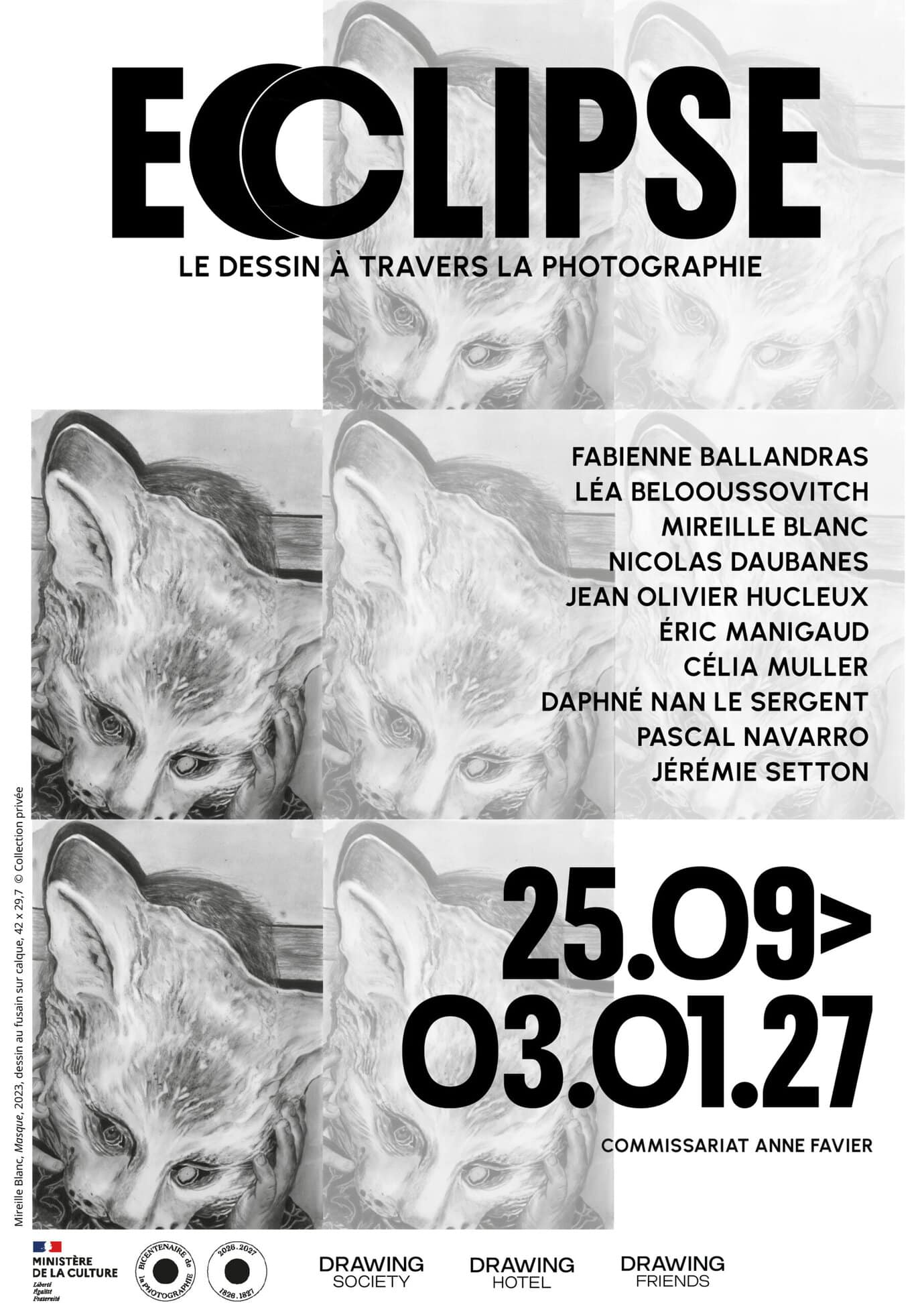
September 25, 2026 - January 3, 2027
Collective exhibition
curator Anne Favier
As part of the Bicentennial of Photography, the Drawing Lab—a space dedicated to experimentation and the promotion of contemporary drawing—is presenting a group exhibition that highlights the connections between photography and drawing.
While Nicéphore Niépce invented the photographic image in 1826, his contemporary Henry Fox Talbot also believed he had discovered, in photography, a “faithful pencil” capable of naturally capturing the interplay of light and shadow. He also referred to photograms—light-sensitive prints obtained through direct contact—as “photogenic drawings,” marking the early stages of photography as a process of fixing and momentarily obscuring light.
While photography is now recognized as one of the major artistic media, this group exhibition aims to highlight the close dialogues it maintains with contemporary drawing, in all its forms, and how drawing has evolved and reinvented itself in unique ways in the shadow of this two-century-old invention.
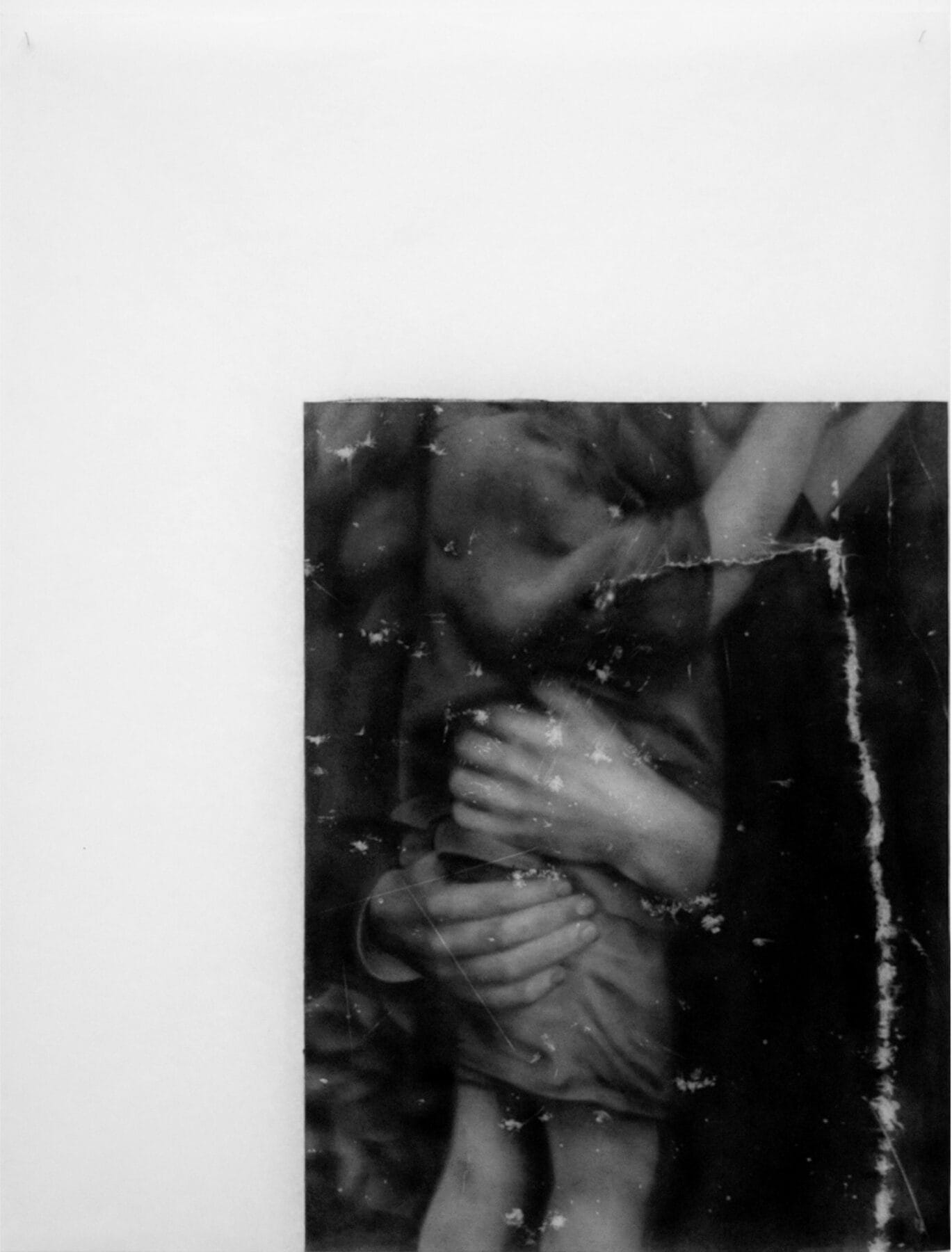
In an era when photography and post-photography are the source of most images, some artists maintain a disconcerting closeness to these source images, going so far as to create exact replicas or the most faithful translations. In this way, they create drawings of incredible photogenic quality, raising doubts as to whether they are graphic or photographic in nature. But why “waste” so much time redrawing a snapshot? The transfer of the photographic image into a drawing is, above all, a process of revelation: the document becomes a true surface for exploration—to be scrutinized, delved into deeply, and “transmuted,” according to Jean Olivier Hucleux. While the artists tend to step back from the process of recreating the image, they reveal and intensify the photographic cues—details, grain, texture, surface, materiality—while imbuing the image with a new sense of duration and tactility. Through a historic work by Jean Olivier Hucleux and other more recent works (Daphné Nan Le Sergent,
(Mireille Blanc, Éric Manigaud, Célia Muller), the exhibition brings to life this “graphic transformation of the image,” to borrow Jean-Christophe Bailly’s phrase regarding the transition to drawing.
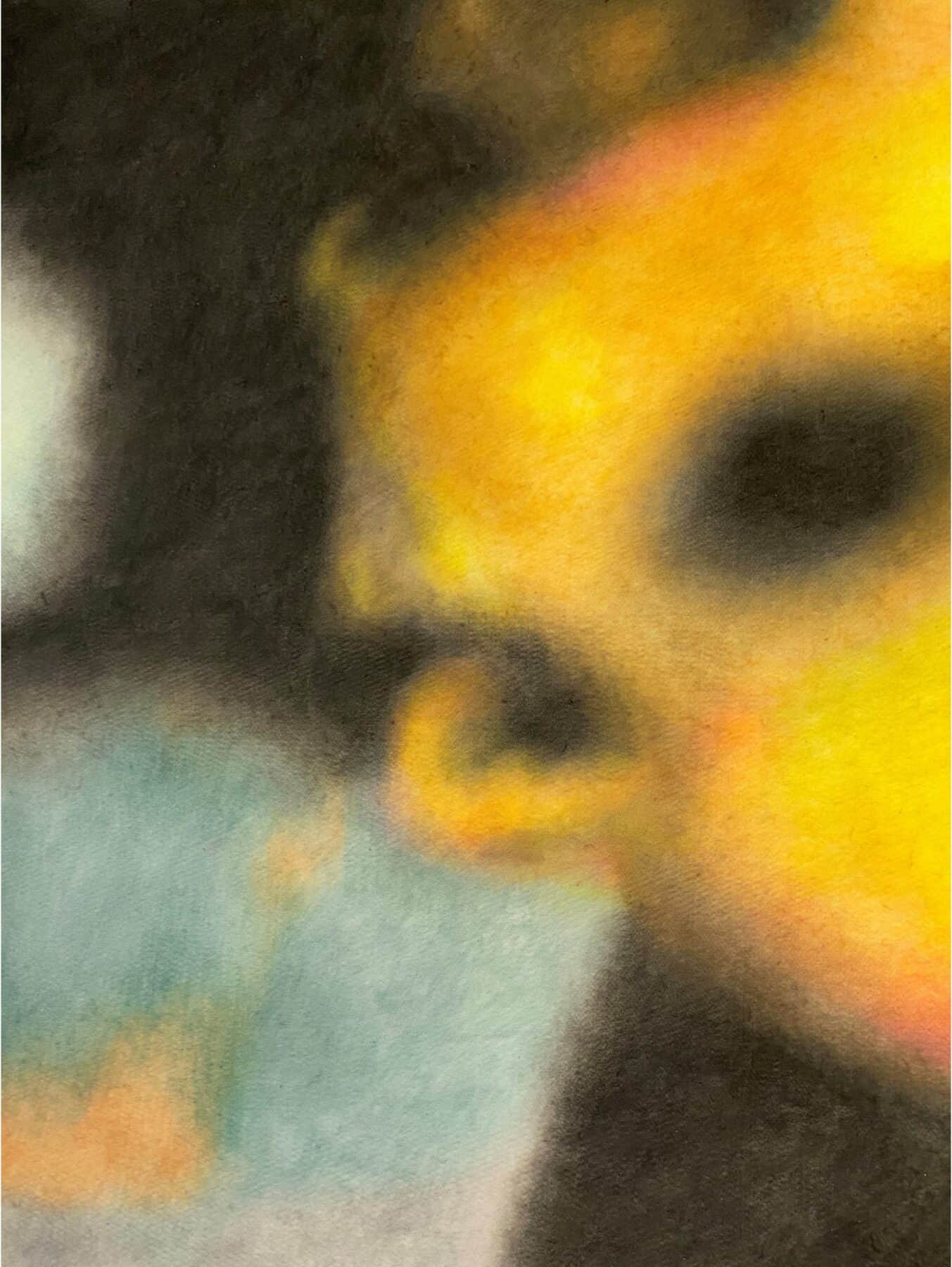
The photographic image can also fade away through various processes of graphic transposition: blurring (Léa Belooussovitch), “blind” transcription, superimposition, association, or confrontation (Fabienne Ballandras). These visual shifts give rise to new focal points and focal lengths, as well as perceptual distortions—to the point of illegibility or abstraction—and open up critical perspectives based on photographic images, particularly those from the media—
“shocking photos”—taken from photoessays—but also from their captions. Through drawing, these images thus take on new forms, visibility, and temporalities.
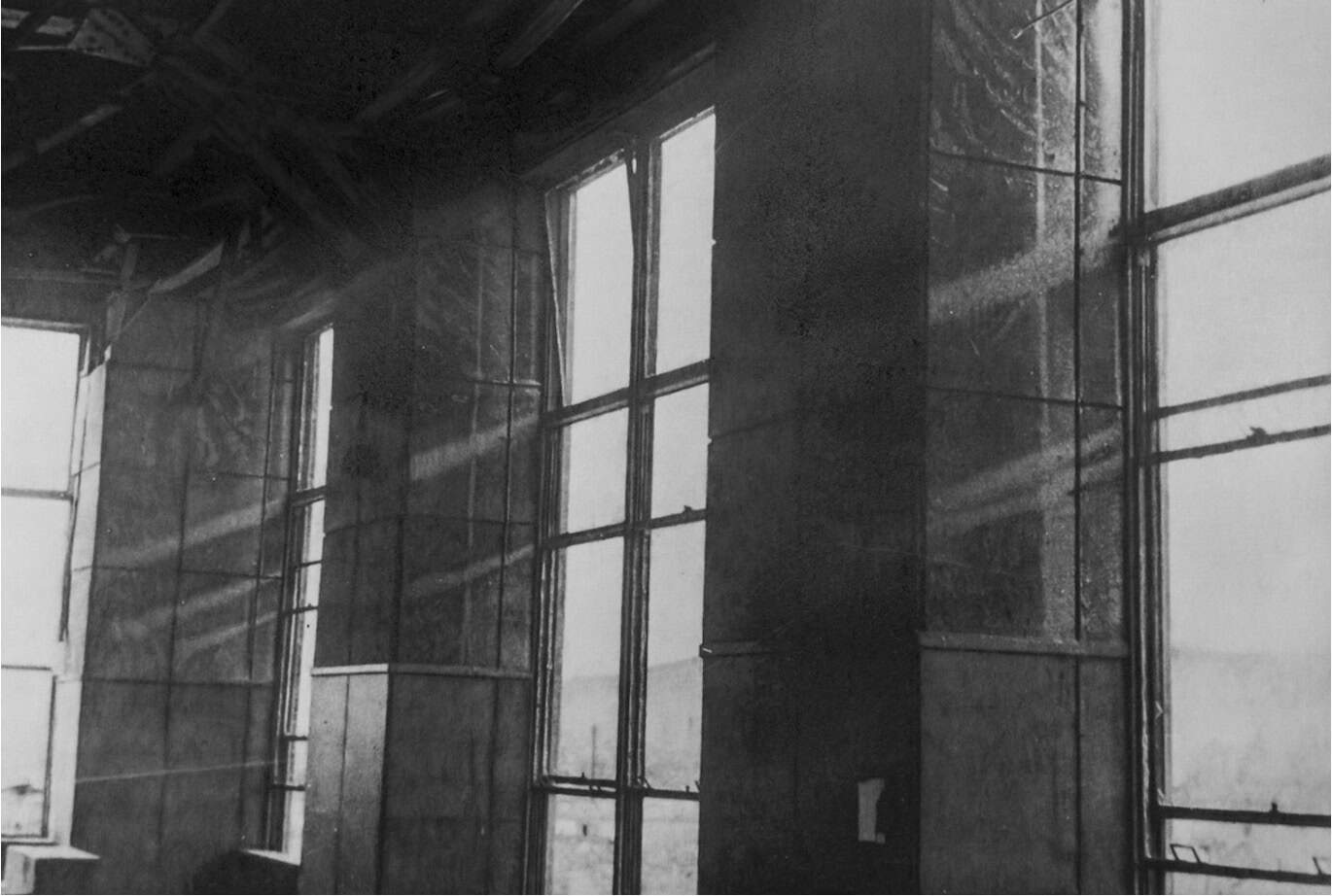
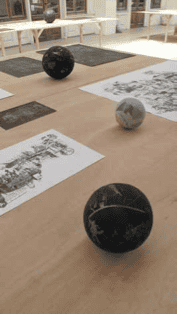
Furthermore, by presenting complex photographic works ( Nicolas Daubanes’s incandescent photograms, an interactive installation by Jérémie Setton in which viewers reveal the image in two ways, and Pascal Navarro’s photosensitive works that gradually appear), the exhibition uses drawing to explore the founding principles of photography: latent image, development, fixation, reproducibility, negative/positive reversibility, photosensitization, and imprint. Through these experimental works, drawing itself becomes photographic.
Historical pieces, iconic and experimental works, new productions, and installations revived for the Drawing Lab come together to form a journey through works that echo one another, organized around three themes—“Becoming Graffiti,” “Focus,” and “Latent Image.”
In the exhibition *Éclipse*, drawing is thus revealed through the medium of photography.
Anne Favier
Curator of the exhibition

Press
Partners

The artists

The curator

Portrait of Anne Favier © All rights reserved
Anne Favier
Anne Favier is an independent curator, art critic, member of AICA France, agrégée d'arts plastiques and Maître de conférences en sciences de l'art - member of the ECLLA research unit at the Université de Saint-Étienne.
Since 2013, she has closely combined her academic research with regular curatorial activity, in collaboration with galleries, art centers and art institutions. Since 2020, she has been a scientific partner of the national art center Le Creux de l'Enfer and associated with the artistic programming of the Centre d'art contemporain de Vienne.
Her research focuses more specifically on creative protocols, practices of erasure, the processes of reworking and transferring images, the representation of the face, and contemporary drawing in its intermediary relationships (in dialogue with painting, photography, video and writing).
Since 2021, she has been developing and coordinating a university research program devoted to contemporary drawing, structured around scientific events articulating theoretical reflections and exhibitions in partnership with cultural institutions. In 2025, she edited the collective work The transition to drawing. Reworking, transferring, fine-tuning .
For the past fifteen years, she has taught both theory and artistic practice at university, while at the same time writing critically and disseminating contemporary art (artist interviews, scientific and critical articles, exhibition and catalog texts, lectures).
The bicentenary of photography

200 years of photography: celebrating the gaze
FromSeptember1, 2026 to September 30, 2027, the French Ministry of Culture is organizing the Bicentenary of Photography, a major open and festive celebration featuring collections, contemporary creations, photographic publishing and the various professions involved in photography.
Several hundred accredited events (exhibitions, symposia, audiovisual screenings, image education projects, etc.) will be held in mainland France, the French overseas territories and some thirty other countries.
The Bicentenary of Photography is organized by the French Ministry of Culture, with the support of a scientific committee chaired by Dominique de Font-Réaulx, an art historian specializing in the 19th century and photography, and Conservator General at the Louvre Museum, and a wide range of cultural, educational and research players.
Find out more about the program at https://bicentenairephotographie.fr
A few works